
Play Therapy & EMDR for Children Ages 4–10 in Charleston, WV
Therapy for Children Ages 4–10
Play Therapy & EMDR in Charleston, West Virginia
Starting therapy can feel like a big step, especially when your child is struggling with big emotions, anxiety, or difficult experiences. At The Sandbox, we specialize in working with children ages 4–10 using play therapy and EMDR therapy in a warm, supportive, child-centered environment.
Children often don’t have the words to explain what they’re feeling. Through play, creativity, and developmentally appropriate therapy approaches, we help children express emotions, build confidence, and develop healthy coping skills.
At this age, play therapy is the primary way children process and heal.
Children often don’t have the words to explain what they’re feeling. Through play, creativity, and developmentally appropriate therapy approaches, we help children express emotions, build confidence, and develop healthy coping skills.
How We Help
For children ages 4–10, therapy is centered around:
Play therapy
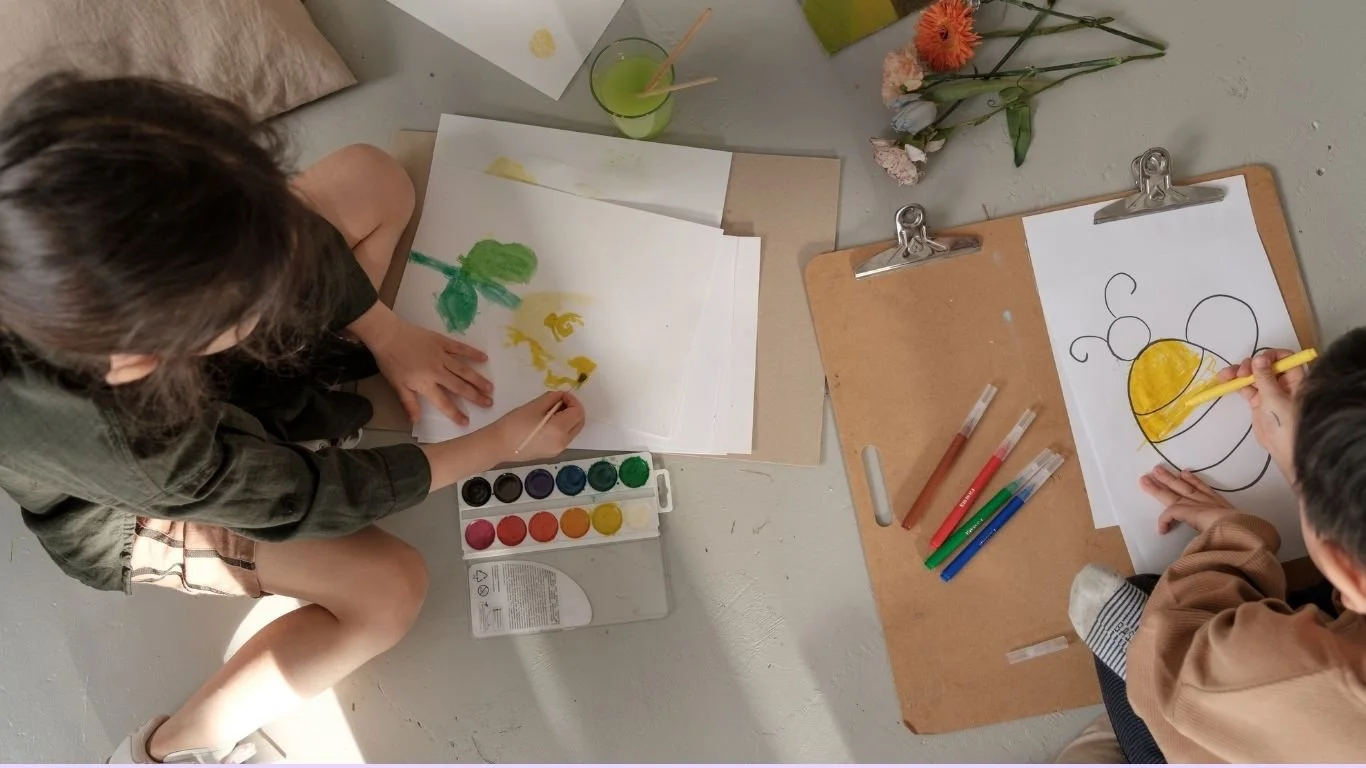
Creative expression (art, storytelling, imagination)
Building emotional awareness and regulation
Strengthening a sense of safety and confidence
Teaching to regulate their big feelings
Supporting parents to understand their child better, their behaviors, and how to help them
For children who have experienced something distressing, EMDR can be added to play therapy to help the child overcome whatever is bothering them.
How Therapy Helps Children Ages 4–10
Play therapy and EMDR therapy can help children who are experiencing:
Anxiety or worries
Big emotions or frequent meltdowns
Difficulty with transitions or change
School challenges or behavioral concerns
Divorce or family changes
Trauma or stressful life events
Social struggles or difficulty making friends
Low confidence or self-esteem
Sleep difficulties or fears
Grief and loss
Many parents notice their child is struggling but aren’t sure exactly why. Therapy helps children safely explore their feelings and build skills to manage them.
What Healing Looks Like:
Over time, children often begin to:
Express their feelings more clearly
Feel more confident and secure
Show improved behavior and coping
Feel calmer and more regulated
Partnering With Parents
At this age, parent involvement is essential. While your child is the focus of our time together and we prioritize creating a space where they feel safe, valued, and understood, we typically see them for just one hour each week. Parents play a vital role in shaping a child’s emotional development and helping build a secure attachment outside of the therapy room.
We believe meaningful progress happens when therapy and home work together. That’s why we partner closely with parents to provide support, guidance, and practical tools along the way.
We work with you to help you:
Better understand your child’s behavior and emotional needs
Respond in ways that support emotional growth and regulation
Strengthen connection and secure attachment with your child
Feel more confident in supporting your child at home
Our goal is not only to help your child during sessions, but to empower you with the insight and strategies that create lasting change in everyday life.
Play Therapy for Children
Play is a child’s natural language. Through play therapy, children communicate their experiences, emotions, and needs in a way that feels safe and natural.
In play therapy, children may use:
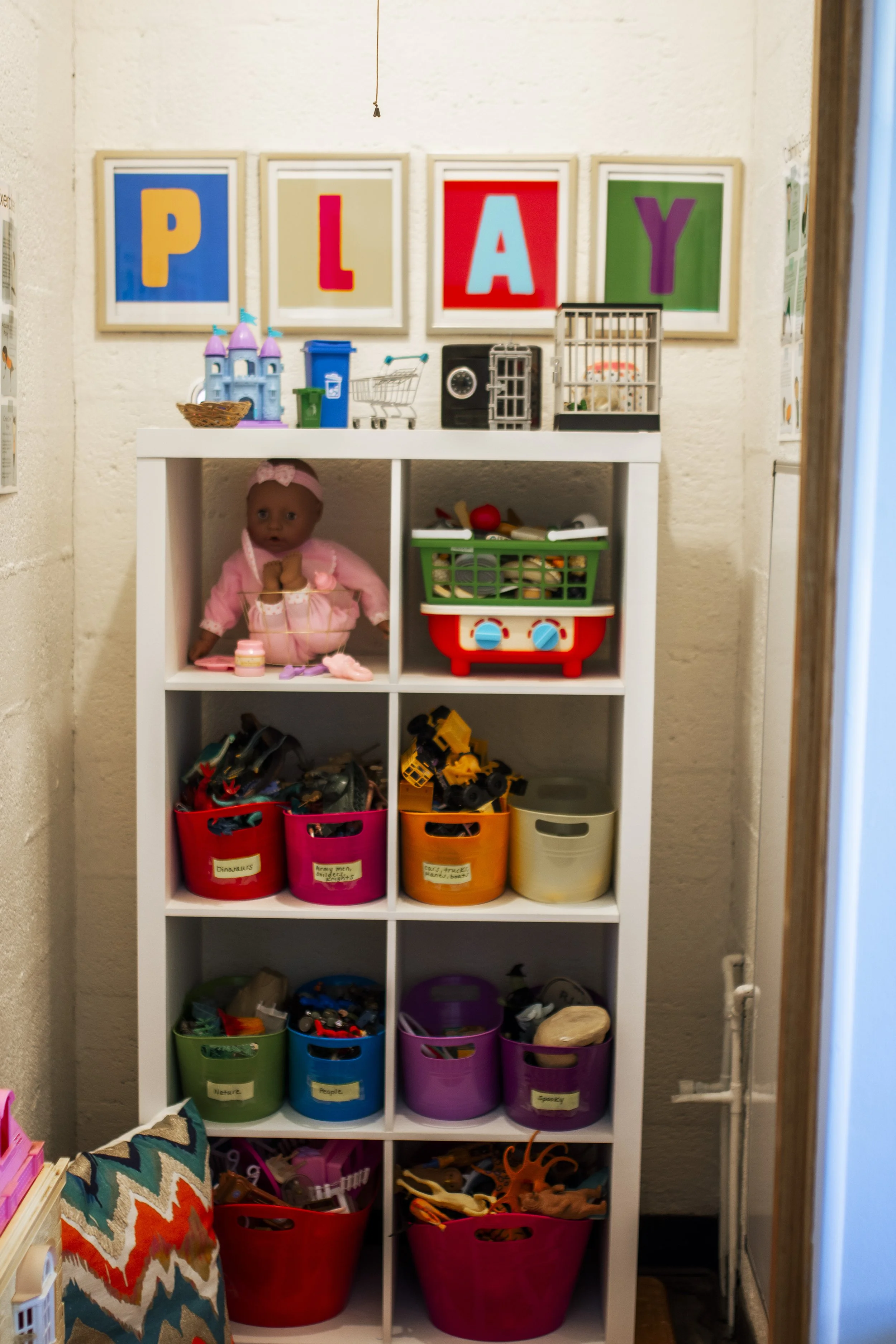
Toys and figures
Art and creative expression
Sand tray and storytelling
Games and movement
Imaginative play
Through these experiences, children begin to:
Express feelings more clearly
Build emotional regulation skills
Increase confidence
Improve behavior
Strengthen relationships
EMDR Therapy for Children
EMDR therapy helps children process difficult experiences so they no longer feel overwhelming. When children experience stress or trauma, their brains can get "stuck," leading to anxiety, fears, or behavioral changes.
EMDR therapy helps children:
Process upsetting memories
Reduce anxiety and fears
Improve emotional regulation
Build resilience and confidence
With children ages 4–10, EMDR is adapted to be developmentally appropriate and often integrates play, drawing, storytelling, and movement.

Wondering if EMDR therapy could help your child?
Our therapists are trained in trauma-informed approaches and can help determine whether EMDR is the right fit.