Play Therapy
What is Play Therapy?
Play therapy is a developmentally appropriate therapy that helps children express, process, and work through their experiences.
Sometimes when children are feeling anxious, overwhelmed, or upset, they don’t have the words to explain what’s going on inside. Instead, those feelings may show up through behavior, big emotions, or shutting down.
Play therapy gives children a safe and supportive space to express those inner experiences in a way that feels natural to them.



Through play therapy, children are able to:
● Express feelings they don’t yet have words for
● Work through fears, worries, and difficult experiences
● Build confidence and emotional regulation
● Feel understood, supported, and safe
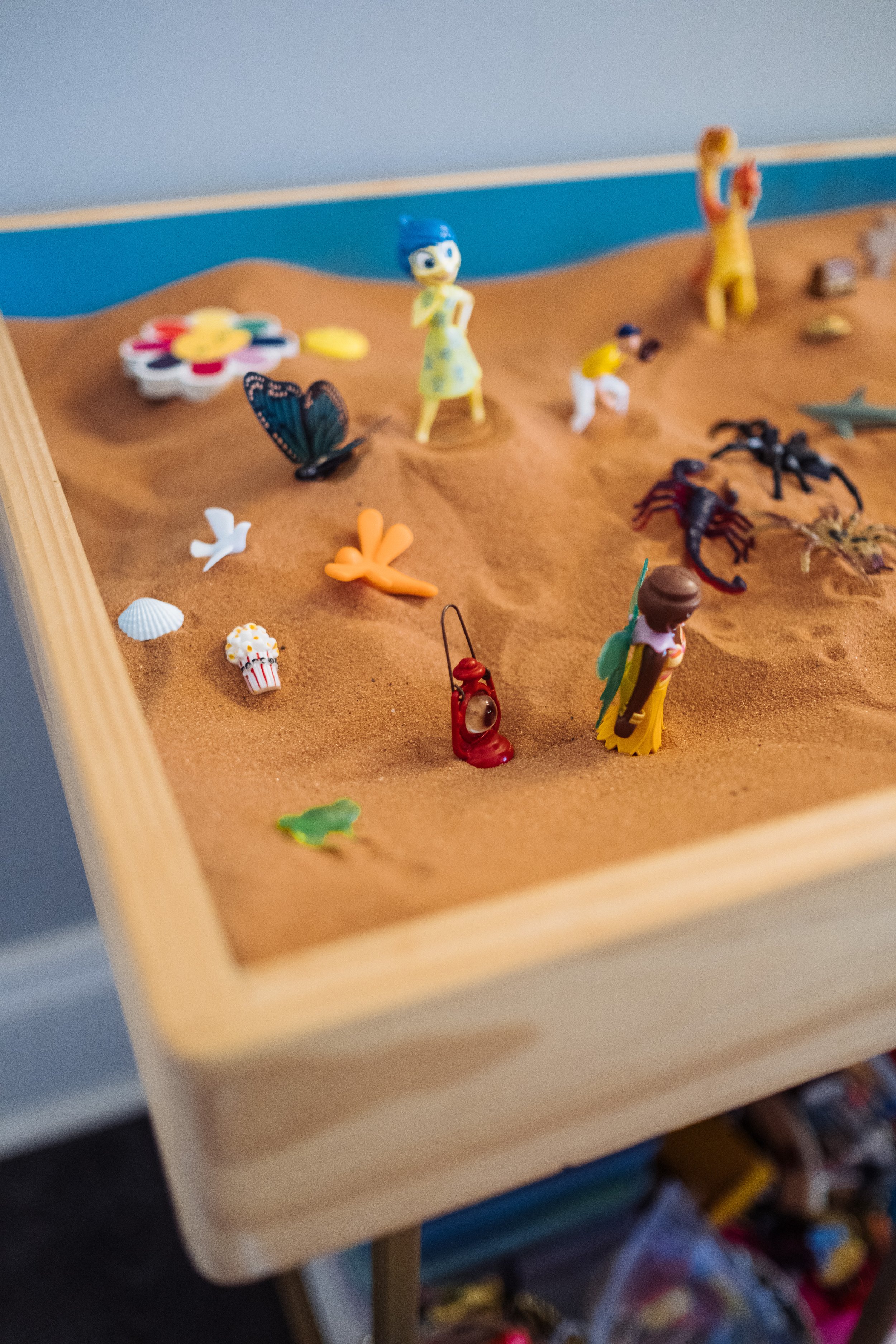
To an outside observer, it may look like “just play,” but inside the therapy room, children are doing meaningful emotional work.
You don’t have to figure this out on your own. We’re here to help you understand what your child is going through.
Who is Play Therapy For?
Play therapy can help children and teens who are experiencing:
𖧋 Anxiety or excessive worry
𖧋 Big emotions or frequent meltdowns
𖧋 Behavioral challenges
𖧋 Difficulty adjusting to changes
𖧋 Social struggles
𖧋 Low confidence or self-esteem
𖧋 Trouble expressing feelings
𖧋 Family stress or transitions
Play therapy is especially helpful for children who may not be able to fully explain what they are feeling but show it through their behavior.
What Problems Can Play Therapy Help With?
Play therapy is often used to support children who struggle with:
𖧋 Anxiety
𖧋 Emotional regulation difficulties
𖧋 Behavioral concerns
𖧋 Trauma or stressful experiences
𖧋 Separation anxiety
𖧋 School-related stress
𖧋 Social challenges
𖧋 Grief or loss
Many parents reach out when they notice their child is having a hard time but aren’t sure exactly why.
What Play Therapy Looks Like for Kids
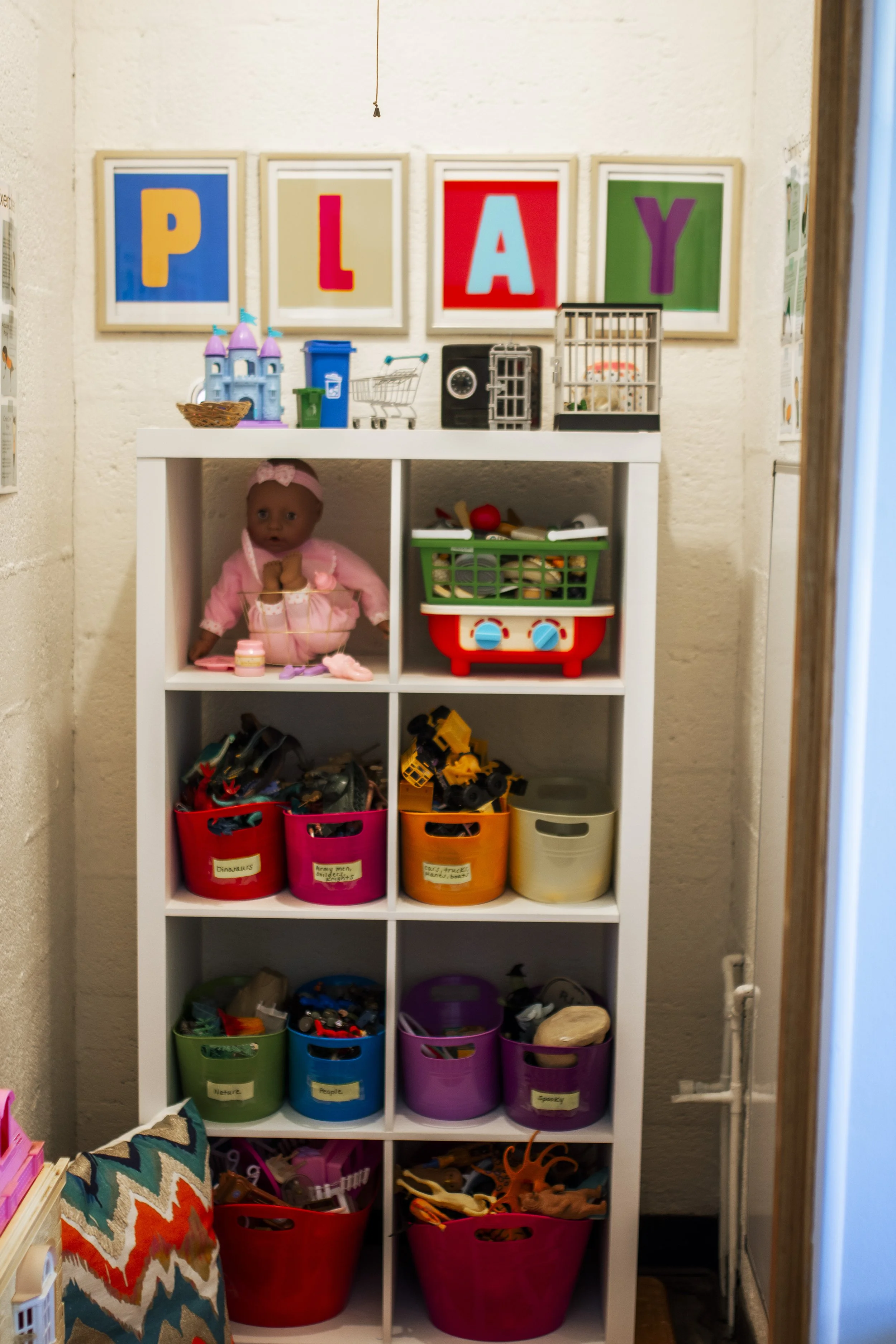
At The Sandbox, play therapy is thoughtfully designed to meet children where they are.
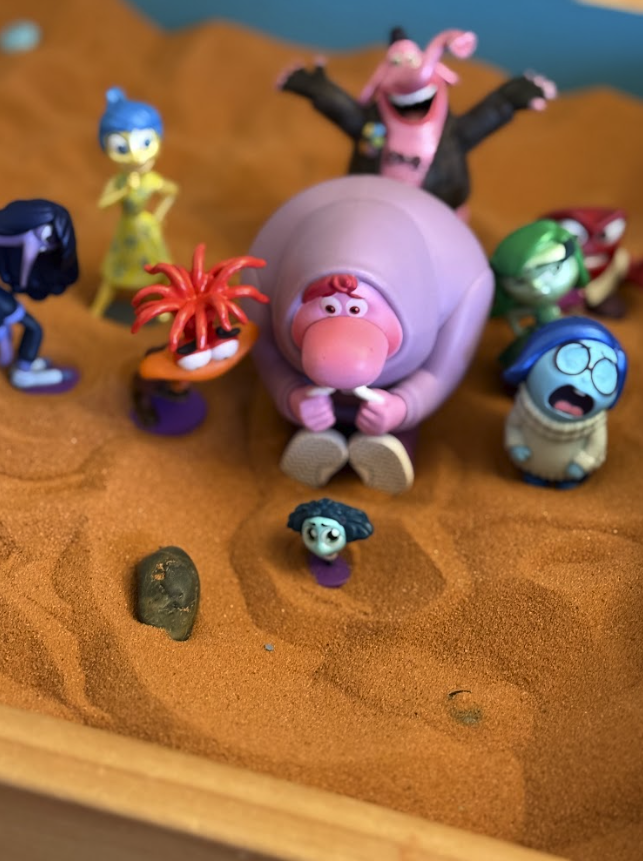
Sessions may include:
𖧋 Imaginative play
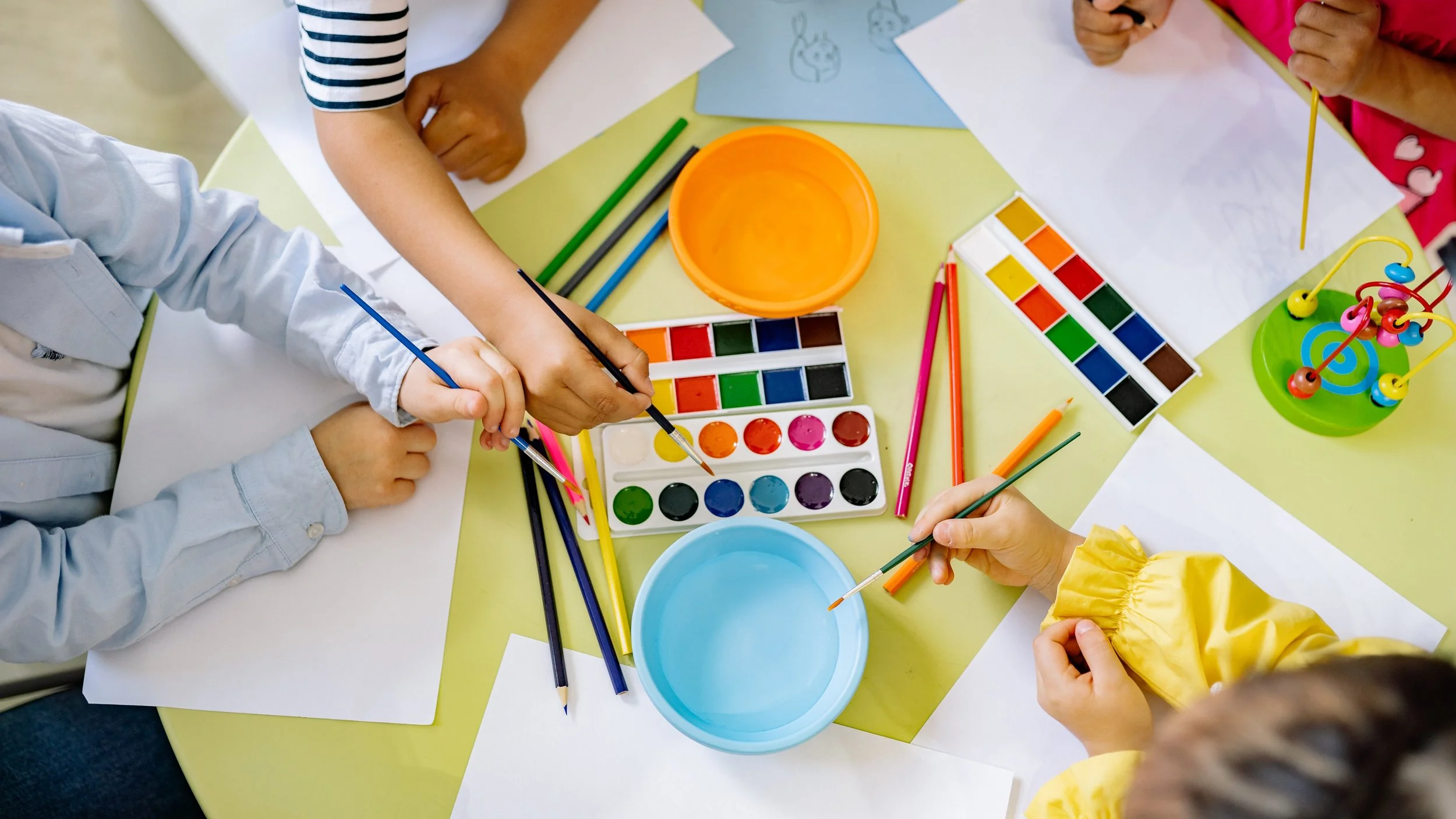
𖧋 Art and drawing
𖧋 Sand tray play
𖧋 Storytelling
𖧋 Movement and creative expression
Children are never forced to talk about anything before they are ready. Instead, they are supported in expressing themselves in ways that feel safe and natural.
Over time, children often begin to feel more confident, regulated, and understood.
Every child moves at their own pace, and we’ll guide both you and your child through the process.
How Parents Know Play Therapy Might Help
Parents often reach out when they notice:
𖧋 Big emotions that feel hard to manage
𖧋 Behavioral changes or frequent meltdowns
𖧋 Difficulty expressing feelings
𖧋 Increased anxiety or worries
𖧋 Challenges with transitions or changes
𖧋 Their child seems overwhelmed or “not like themselves”
If your child is struggling but can’t quite explain why, play therapy can help them safely work through what they’re experiencing.
If you’re feeling unsure, that’s completely okay.
You don’t need to wait until things get worse to seek support.
FAQs
Still have questions? That’s completely normal. Here are some answers that may help.
-
Play therapy is a type of therapy that helps children express and process their thoughts and feelings through play. Because play is a child’s natural way of communicating, it allows them to work through challenges in a way that feels safe and comfortable.
-
Yes. Play therapy is a well-researched and widely used approach for helping children with emotional, behavioral, and social challenges. It is especially effective for children who may not yet have the words to explain what they are experiencing.
-
Play therapy sessions may include toys, art, storytelling, and imaginative play. The therapist follows the child’s lead while creating a safe and supportive environment for expression and growth.
To an outside observer, it may look like play—but it is a purposeful and therapeutic process.
-
Parents often reach out when they notice changes in their child’s behavior, emotions, or ability to cope. If your child seems overwhelmed, anxious, or is having difficulty expressing themselves, play therapy may help them feel more secure and understood.
Wondering if Group Therapy could help your child?
Our therapists are trained in trauma-informed approaches and can help determine whether EMDR is the right fit.